Professional Diesel & Gas Boat Fuel Tank Maintenance and Contamination Solutions
Maintaining a clean boat fuel tank is crucial for the optimal performance and longevity of your boat. In Harford County, boat owners often overlook the importance of regular boat fuel tank cleaning and polishing, which can lead to significant engine issues and costly repairs. This article will explore the essential aspects of boat fuel tank cleaning and polishing services, including the reasons for regular maintenance, the impact of fuel contamination on engine performance, and the environmental benefits of clean fuel systems. Additionally, we will provide a step-by-step guide on the cleaning process and how boat owners can schedule reliable services in their area.
Why Is Regular Boat Fuel Tank Cleaning and Polishing Essential in Harford County?
Regular boat fuel tank cleaning and polishing is vital for ensuring the optimal performance of your vessel. Over time, fuel tanks can accumulate contaminants such as dirt, water, and microbial growth, which can lead to engine failure. By maintaining a clean boat fuel tank, boat owners can prevent costly repairs and ensure their engines run smoothly. Moreover, regular cleaning can help reduce fuel consumption, ultimately saving money in the long run.
Indeed, the long-standing issue of microbial contamination in marine fuels has been well-documented, highlighting its severe impact on engine health and fuel system integrity.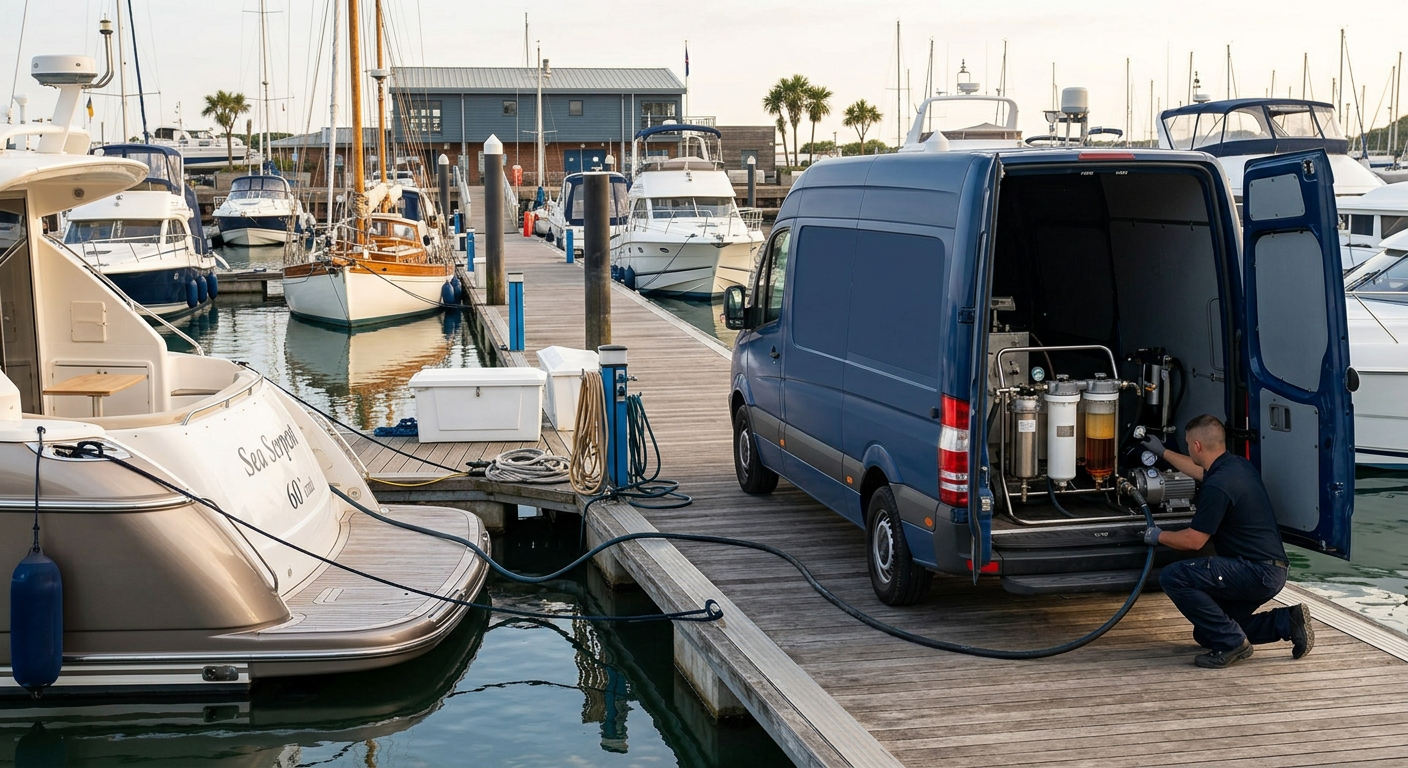
Marine Fuel Microbial Contamination: Engine Damage & Tank Corrosion Microbial contamination and growth in distillate fuels has been described for seventy years. The consequences have ranged from fouling of filters and injectors, to engine malfunction and damage, fuel gauge malfunctions and aggravated corrosion of engines, boat fuel tanks, equipment and facilities. Microbial contamination and associated corrosion in fuels, during storage, distribution and use, 2008
How Does Fuel Contamination Affect Boat Engine Performance?
Fuel contamination can severely impact boat engine performance. Contaminants such as water and sediment can clog fuel lines, leading to engine misfires and decreased fuel efficiency. When the fuel system is compromised, it can result in poor acceleration and increased emissions, which not only affects performance but also poses environmental risks. Understanding the effects of fuel contamination is crucial for boat owners to maintain their vessels effectively.
What Are the Environmental and Safety Benefits of Clean boat Fuel Tanks?
Maintaining clean boat fuel tanks offers several environmental and safety benefits. A clean fuel system ensures that engines operate efficiently, reducing harmful emissions that contribute to air pollution. Additionally, clean boat fuel tanks minimize the risk of fire hazards associated with fuel leaks and spills. By adhering to regular cleaning schedules, boat owners can comply with environmental regulations and contribute to the preservation of local waterways.
What Is the Step-by-Step Process for Professional Boat Fuel Tank Cleaning and Polishing?
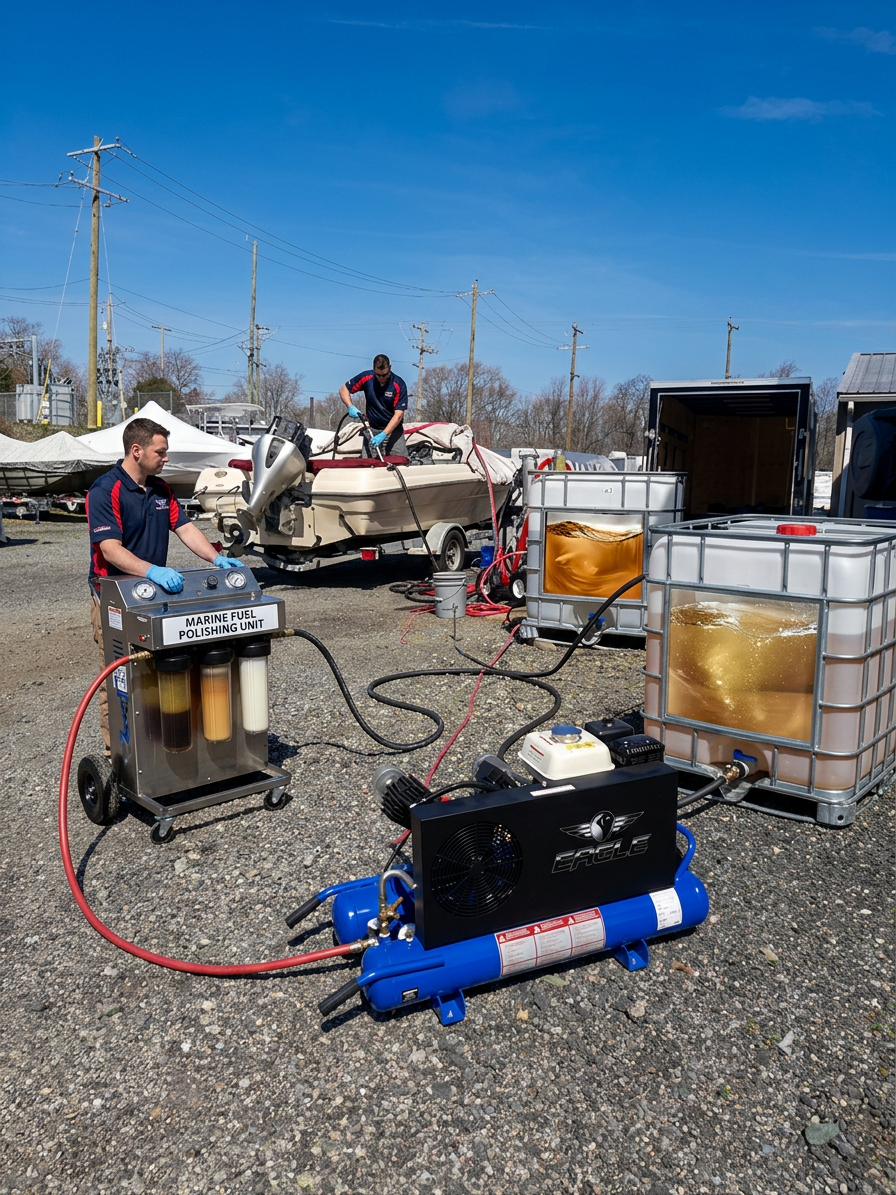
The process of professional boat fuel tank cleaning and polishing involves several critical steps to ensure thorough cleaning and maintenance.
- Fuel Removal: The first step involves safely removing the fuel from the tank to prevent spills and contamination during the cleaning process.
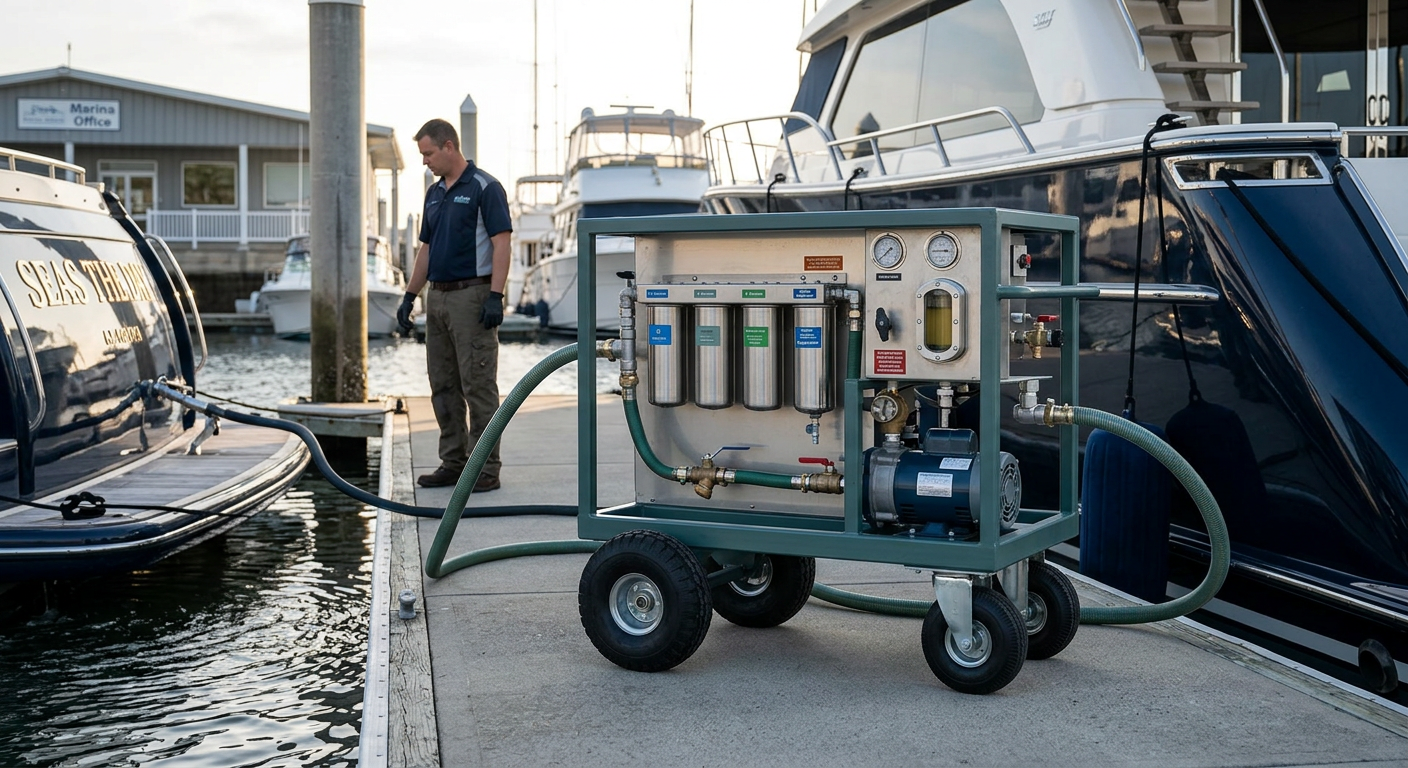
- Filtration Process: Next, the tank is cleaned using specialized equipment that filters out contaminants and debris.
- Final Checks for Contaminants: After cleaning, technicians conduct final inspections to ensure that no contaminants remain in the tank.
This systematic approach guarantees that the fuel system is restored to optimal condition, enhancing engine performance and reliability.
How Do Experts Inspect and Diagnose Boat Fuel Tank Issues?
Experts utilize various methods to inspect and diagnose boat fuel tank issues effectively. They often employ advanced filtration techniques to identify contaminants and assess the overall condition of the fuel system. Additionally, marine engine diagnostic systems can provide valuable insights into potential problems, allowing for timely interventions. Regular inspections are essential for early detection of issues, ensuring that boat owners can address them before they escalate into more significant problems.
What Cleaning and Testing Methods Ensure Fuel System Integrity?
To maintain fuel system integrity, several cleaning and testing methods are employed. These include:
- Filtration Processes: Advanced filtration systems remove impurities from the fuel, ensuring that only clean fuel reaches the engine.
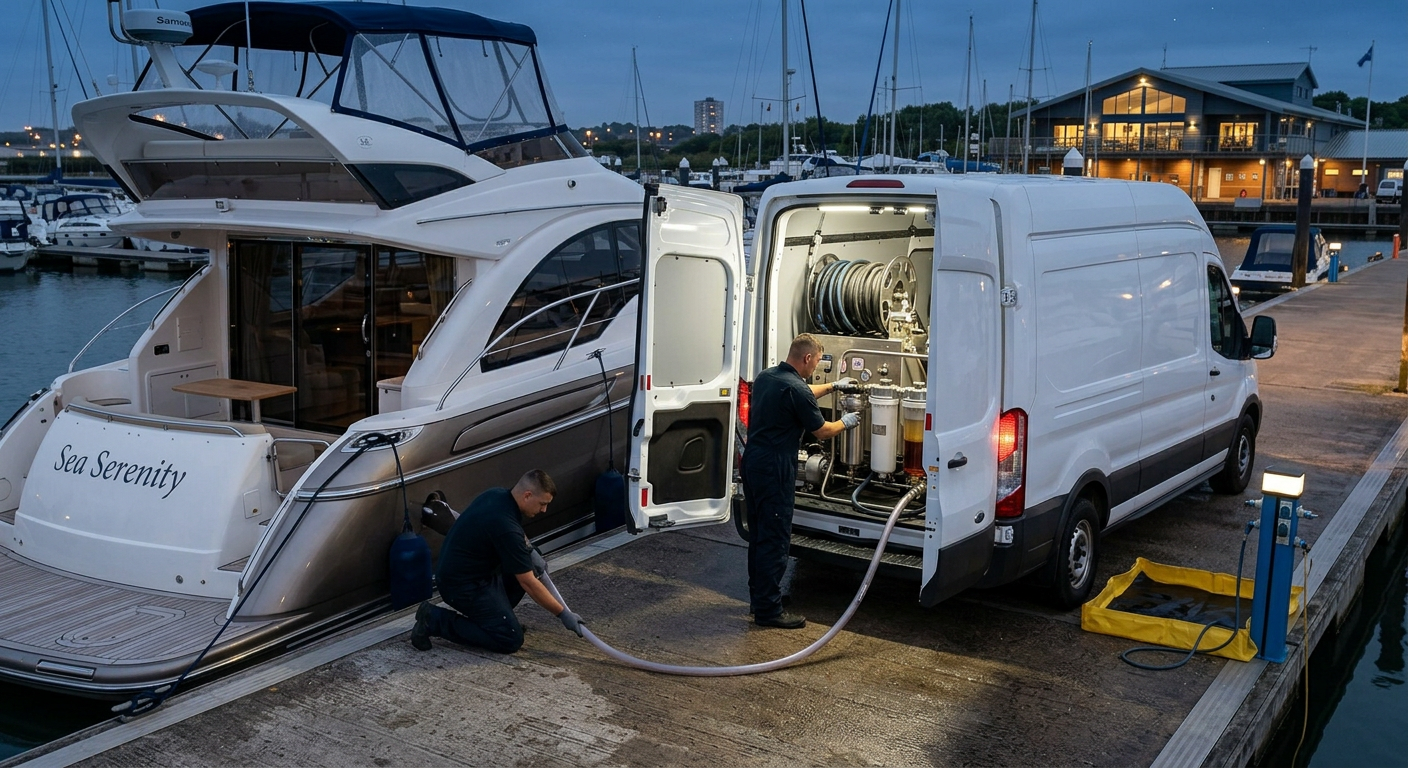
- Use of Mobile Cleaning Units: Mobile units can perform on-site cleaning, providing convenience for boat owners.
- Fuel Injector Cleaning: Regular cleaning of fuel injectors helps maintain optimal fuel delivery and engine performance.
These methods collectively contribute to the longevity and efficiency of the fuel system.
How Can Boat Owners Schedule Reliable Fuel Tank Cleaning and Polishing Services In Harford County?
Boat owners in Harford County can easily schedule reliable boat fuel tank cleaning and polishing services by contacting local marine repair shops. For instance, Ziegler's Marine Services offers comprehensive boat fuel tank cleaning and polishing maintenance solutions. Interested boat owners can reach out to them to inquire about services and availability. Timely maintenance is crucial for ensuring the longevity of your boat's fuel system.
Which Local Marine Repair Shops Offer Comprehensive Fuel System Maintenance?
Several local marine repair shops in Harford County provide comprehensive fuel system maintenance services. These shops typically offer a range of services, including boat fuel tank cleaning and polishing, inspection, and repair. Boat owners should consider factors such as service quality, pricing, and customer reviews when selecting a repair shop to ensure they receive the best care for their vessels.
What Are the Typical Costs and Appointment Procedures?
The costs associated with boat fuel tank cleaning and polishing services can vary based on several factors, including the size of the tank and the extent of contamination. Generally, boat owners can expect to pay for the service based on the complexity of the cleaning process. To schedule an appointment, it is advisable to contact the service provider directly to discuss specific needs and obtain a quote.

What Signs Indicate Your Boat Needs Fuel Tank Inspection or Cleaning?
Boat owners should be vigilant for signs that indicate the need for boat fuel tank inspection or cleaning. Common indicators include:
- Engine Misfires: Frequent misfires can signal fuel contamination.
- Presence of Water or Sediment: Visible water or sediment in the fuel can compromise engine performance.
- Decreased Fuel Efficiency: A noticeable drop in fuel efficiency may indicate issues within the fuel system.
Recognizing these signs early can help prevent more severe engine problems.
How to Detect Fuel Contamination and System Malfunctions Early?
Detecting fuel contamination and system malfunctions early is crucial for maintaining a healthy fuel system. Boat owners can utilize diagnostic systems to monitor fuel quality and engine performance. Additionally, routine maintenance checks can help identify potential issues before they escalate. Regular inspections and proactive measures are essential for ensuring the integrity of the fuel system.
When Should You Consider Fuel System Flushing or Replacement?
Fuel system flushing or replacement should be considered when there are clear signs of degraded fuel or persistent performance issues. If contaminants are detected during inspections, flushing the system can help restore functionality. In cases where the fuel system is severely compromised, replacement may be necessary to ensure safe and efficient operation. Boat owners should consult with marine technicians to determine the best course of action based on their specific circumstances.